
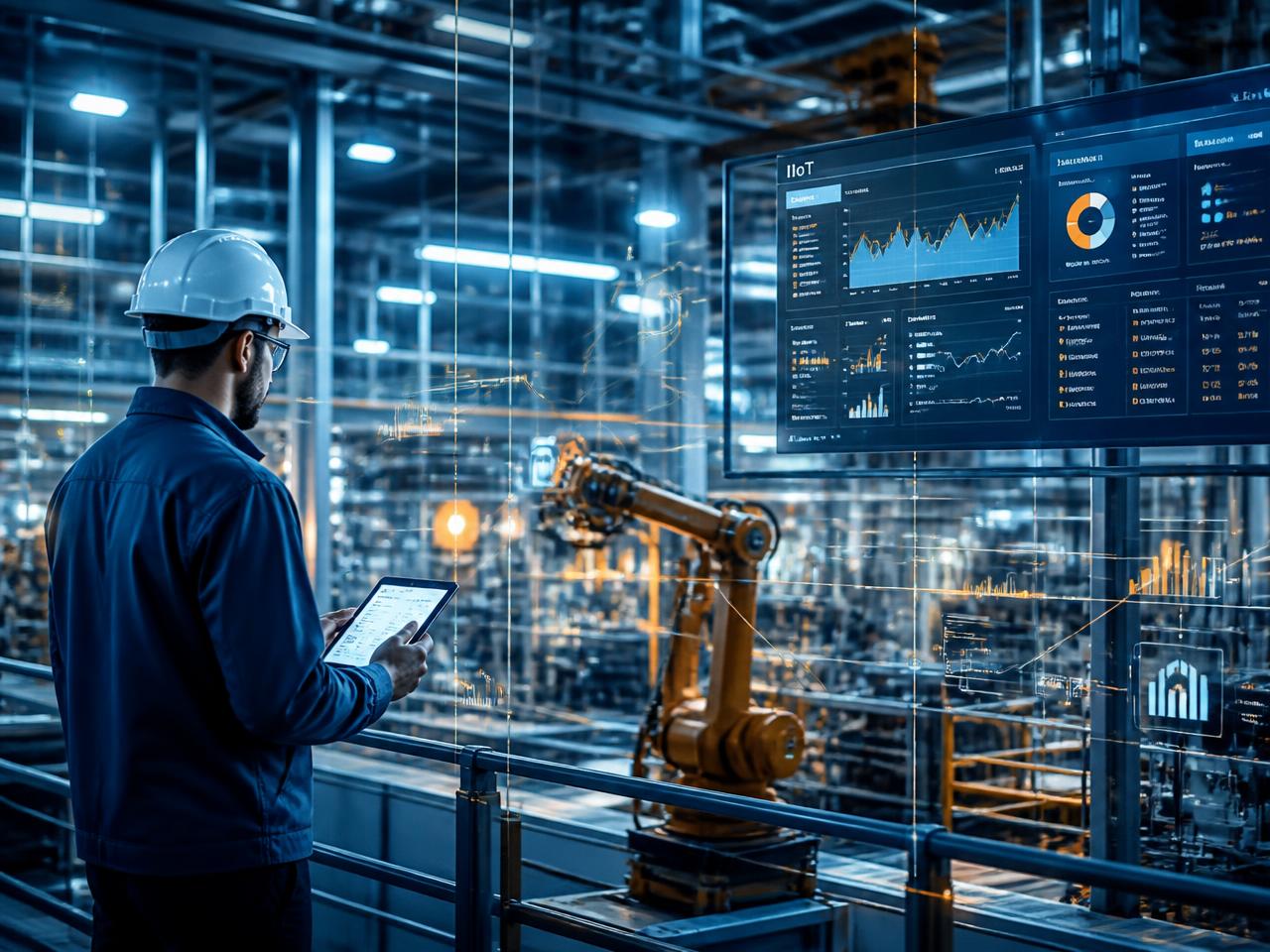
Industrial IoT (IIoT)
Connecting machines, sensors and production assets so operational data becomes usable — in real time, at the machine and away from it.
What this capability covers
Most plants already generate a large amount of machine data; very little of it reaches the people who could act on it. Industrial IoT work at SprayNEX Global focuses on making that data accessible: instrumenting assets, collecting signals reliably, and delivering them into dashboards and monitoring tools without disrupting the control layer.
This is an asset-and-data engagement rather than a plant-wide transformation programme. We define what needs to be measured, how it is acquired, where it is stored, and how it is presented — including remote access for diagnostics and condition-based maintenance decisions.
Engineering scope
The specific engineering activities delivered within this capability.
Sensor & asset instrumentation
Selection and integration of sensors and connected devices to capture the parameters that actually matter for the process.
Industrial data collection
Reliable acquisition from controllers, meters and devices using industrial protocols and gateways, without interfering with machine control.
Real-time monitoring
Live views of machine state, process parameters and production activity for operations and maintenance teams.
Remote monitoring & diagnostics
Secure remote visibility into equipment condition so issues can be assessed without waiting for a site visit.
Condition & predictive insights
Trend and threshold analysis on collected signals to support condition-based and predictive maintenance decisions.
Data integration
Feeding collected machine data into supervisory systems, dashboards and reporting tools used by the plant.
Where it is applied
- Machine utilisation and runtime monitoring
- Equipment condition and vibration/temperature tracking
- Energy and utility consumption visibility
- Remote diagnostics of installed equipment
- Consumable and wear-part usage monitoring
- Alerting on out-of-range process parameters
Sectors we support
What it improves
Data where decisions happen
Machine signals reach operators, engineers and management instead of staying inside the controller.
Earlier intervention
Condition trends support maintenance before a failure interrupts production.
Less time spent investigating
Remote visibility reduces the diagnostic effort required for distributed equipment.
Incremental rollout
Instrumentation can start with a few critical assets and expand as value is proven.
Other Automation & IoT capabilities
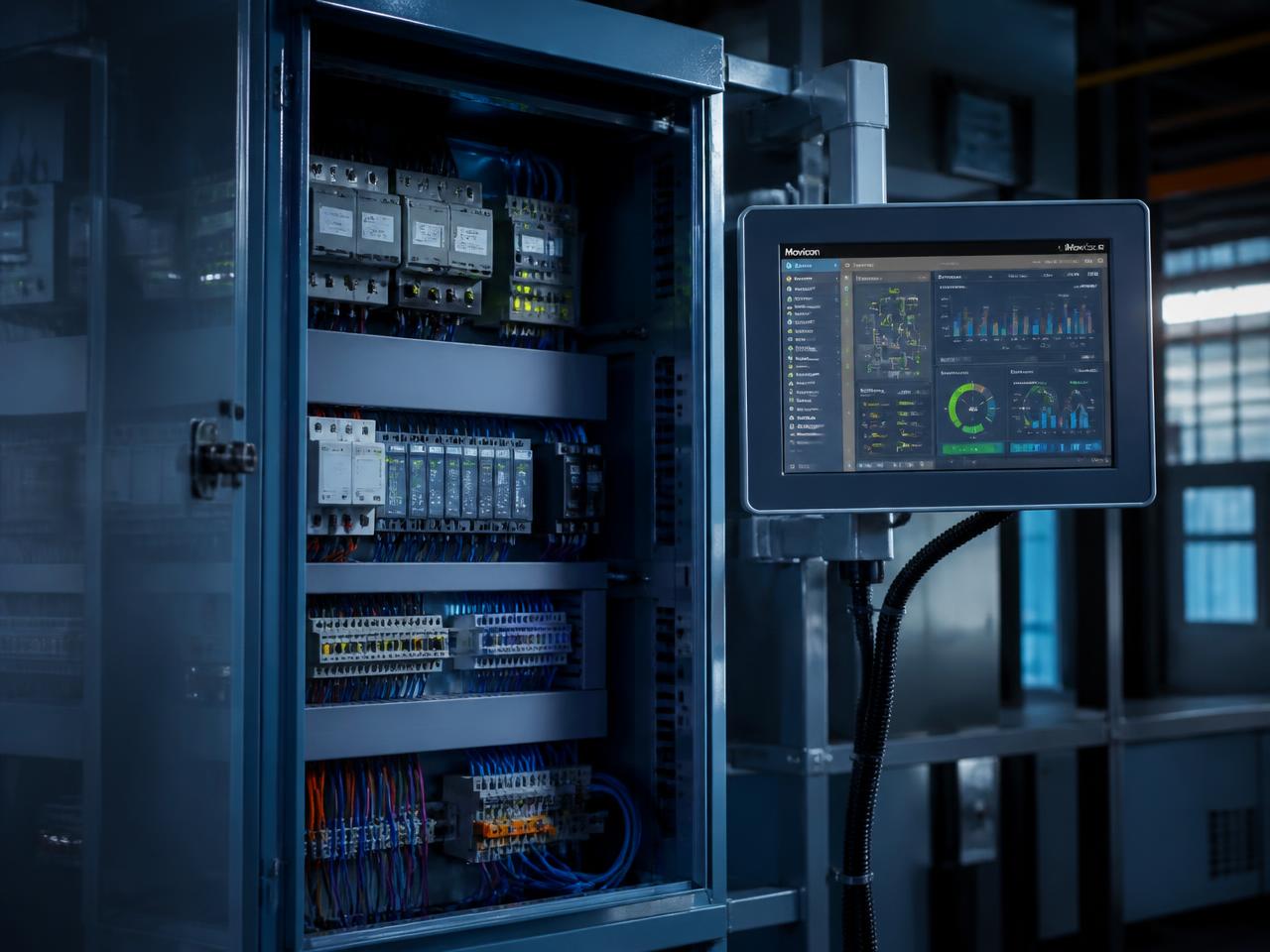
PLC / HMI / SCADA Integration
Integrate PLCs, HMIs and SCADA platforms into one centralized industrial control architecture for improved visibility, productivity and operational control.
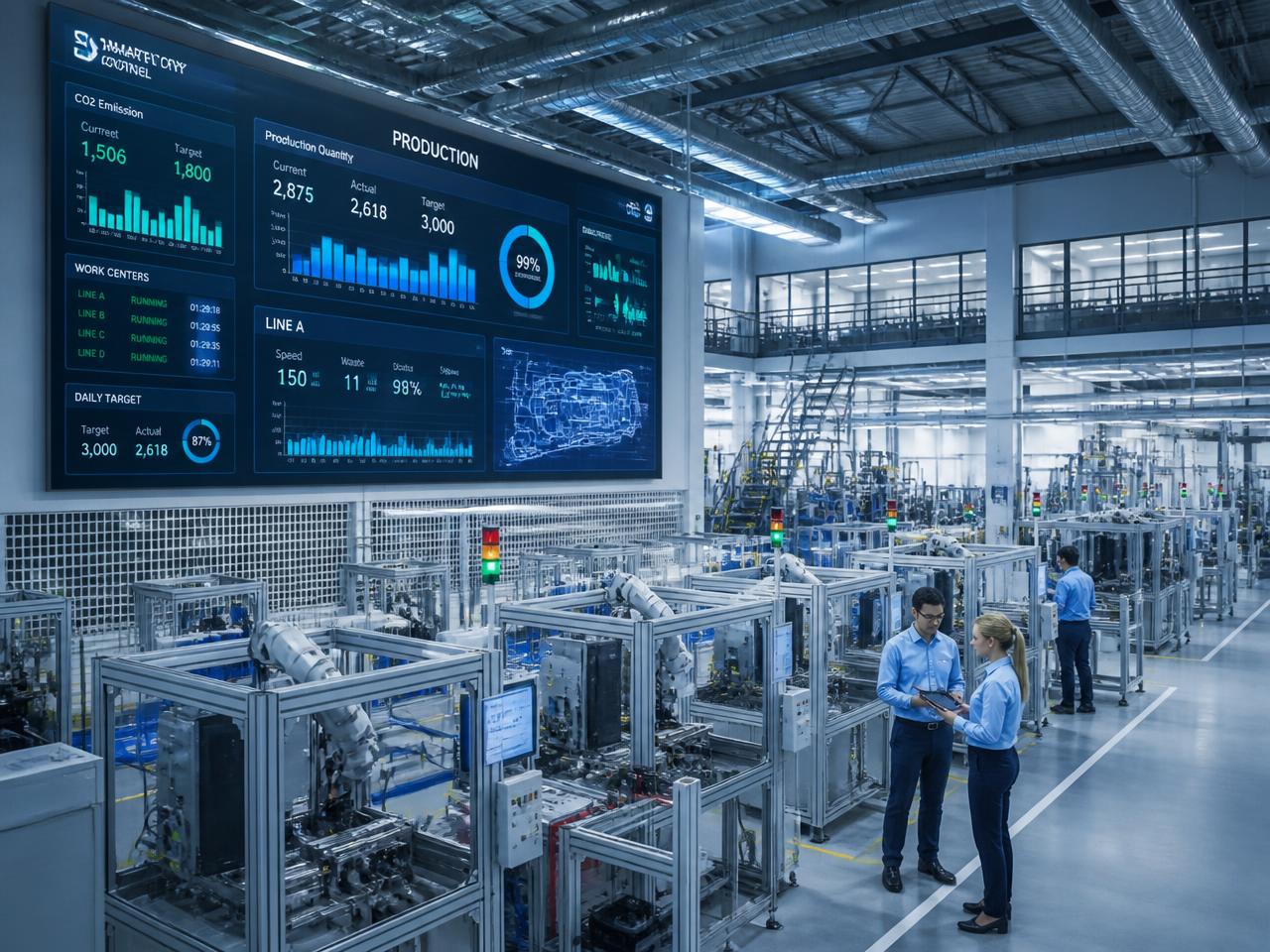
Smart Factory & Digital Manufacturing
Build Industry 4.0-ready manufacturing environments through digital traceability, production monitoring, intelligent analytics and integrated manufacturing systems.
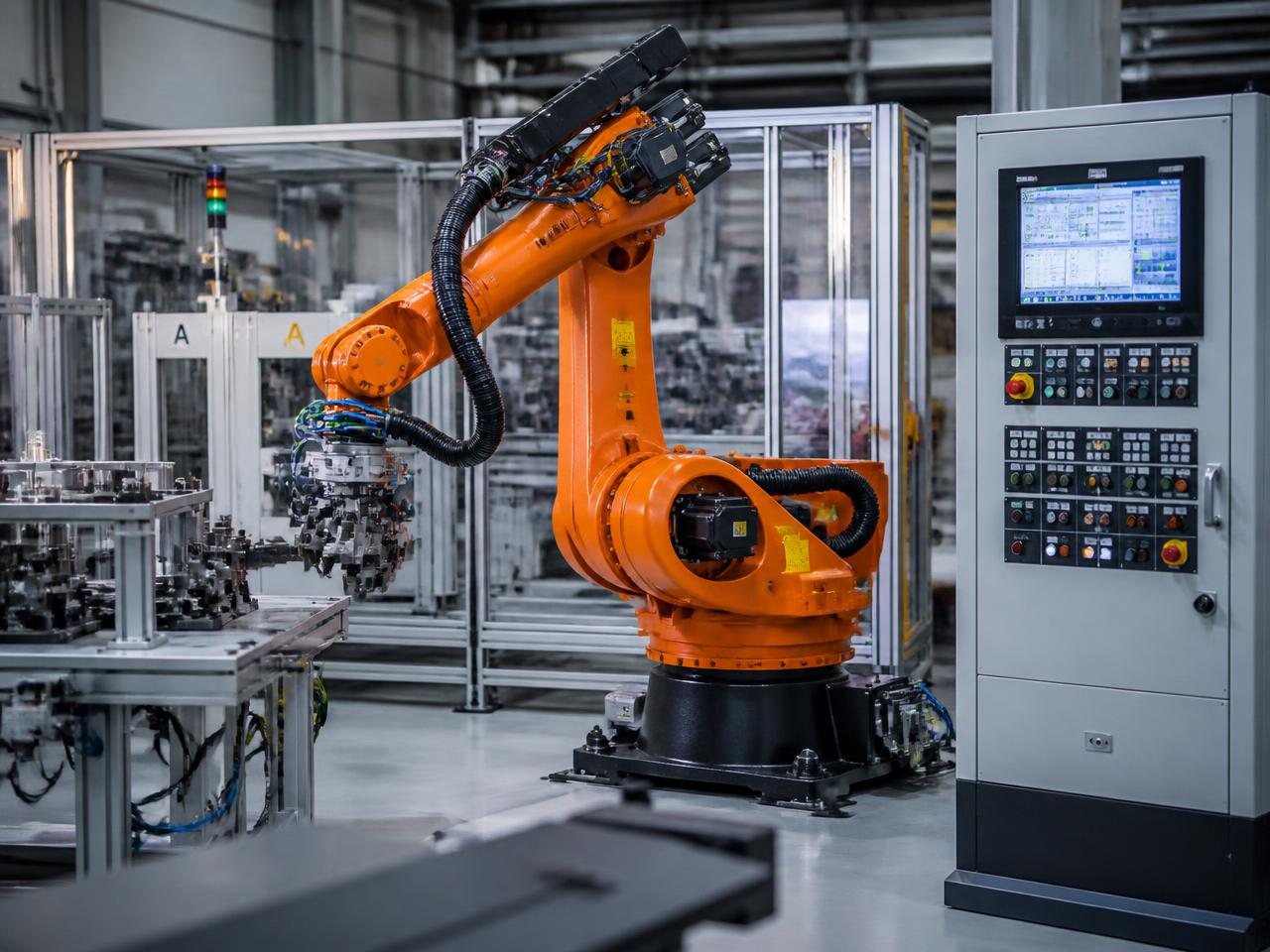
Automation Engineering
Complete automation engineering, robotics integration, commissioning and lifecycle support for industrial production systems across multiple industries.