
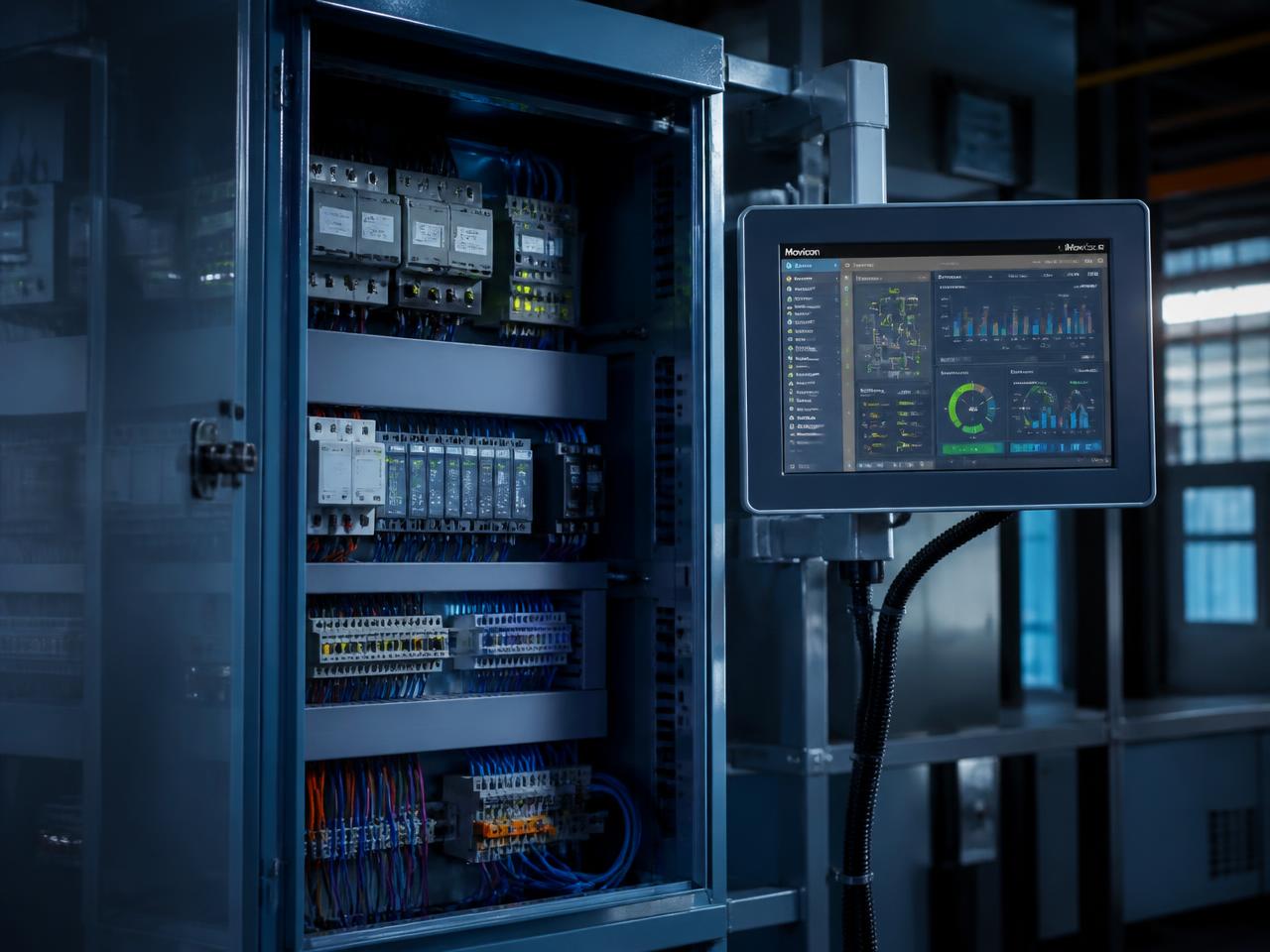
PLC / HMI / SCADA Integration
Control architecture engineering that brings PLC logic, operator interfaces and supervisory monitoring into one coherent, maintainable plant control layer.
What this capability covers
Industrial control environments often grow one machine at a time — different PLC platforms, standalone HMIs and isolated supervisory screens that never share a common view of the process. SprayNEX Global works on the integration layer: aligning machine control, operator interaction and plant-level supervision into a single control architecture.
Our involvement covers control philosophy and I/O definition, PLC program integration, HMI screen structure, alarm and interlock handling, and SCADA-level monitoring so that operators, supervisors and maintenance teams work from consistent information rather than machine-by-machine interpretation.
Engineering scope
The specific engineering activities delivered within this capability.
PLC integration
Integration of programmable controllers into the wider line architecture, including I/O mapping, interlocks, sequencing and communication with upstream and downstream equipment.
HMI systems
Operator interface structure, screen hierarchy, alarm presentation and recipe/parameter handling designed around how the line is actually operated.
SCADA & supervisory monitoring
Plant-level visualization of process states, alarms, trends and production events across multiple machines and control panels.
Control architecture design
Definition of the control topology — controllers, networks, panels and communication protocols — so the system remains serviceable and extendable.
Configuration & software support
Configuration, parameterisation, backup practices and change support for control software across the equipment lifecycle.
Commissioning support
On-site verification of control logic, signal integrity, alarm behaviour and operator workflows during start-up.
Where it is applied
- Coating and finishing line control
- Conveyor and material-handling sequencing
- Process parameter monitoring and interlocking
- Multi-machine line supervision from a central station
- Alarm, event and trend visualization for operations teams
- Retrofit of legacy panels into a modern control layer
Sectors we support
What it improves
Consistent operational visibility
One supervisory view instead of machine-by-machine screens and manual reconciliation.
Faster fault diagnosis
Structured alarms and interlock logic help maintenance teams locate the source of a stoppage.
Repeatable process control
Parameter and recipe handling reduces operator-to-operator variation.
Maintainable architecture
Documented control topology and configuration practices keep the system serviceable over time.
Other Automation & IoT capabilities
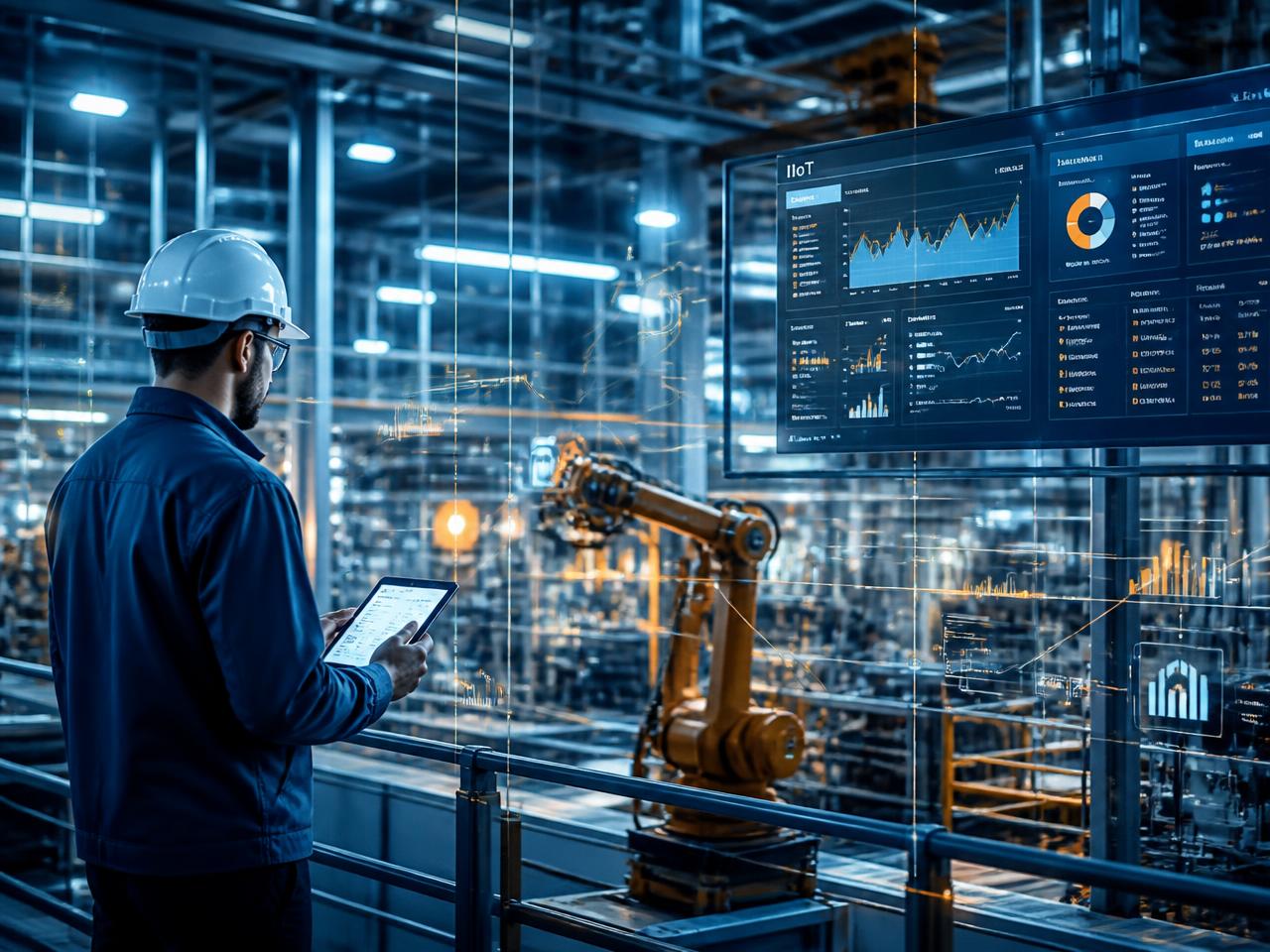
Industrial IoT (IIoT)
Connect industrial machines, sensors and production assets for real-time monitoring, predictive maintenance, remote diagnostics and intelligent decision-making.
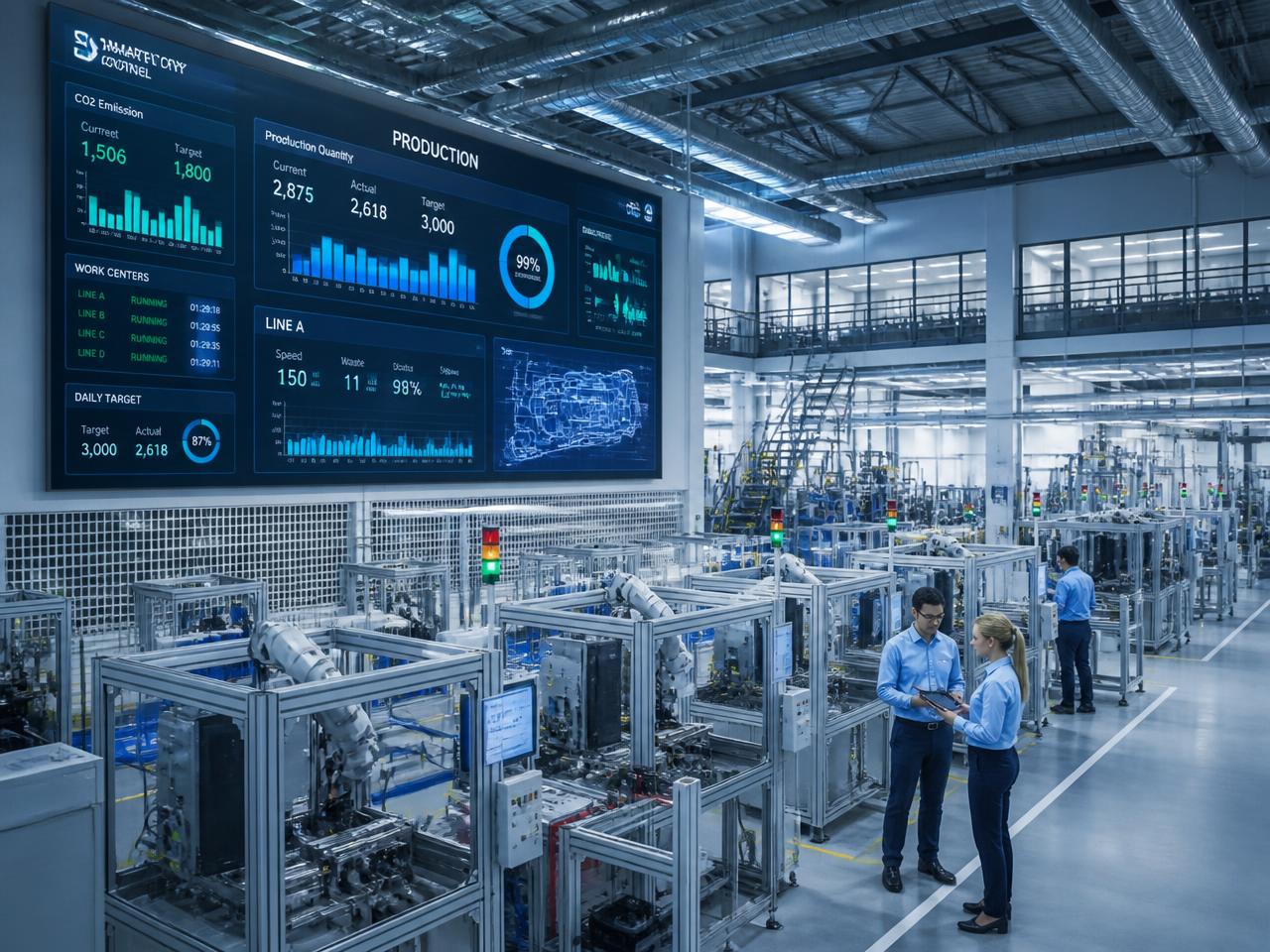
Smart Factory & Digital Manufacturing
Build Industry 4.0-ready manufacturing environments through digital traceability, production monitoring, intelligent analytics and integrated manufacturing systems.
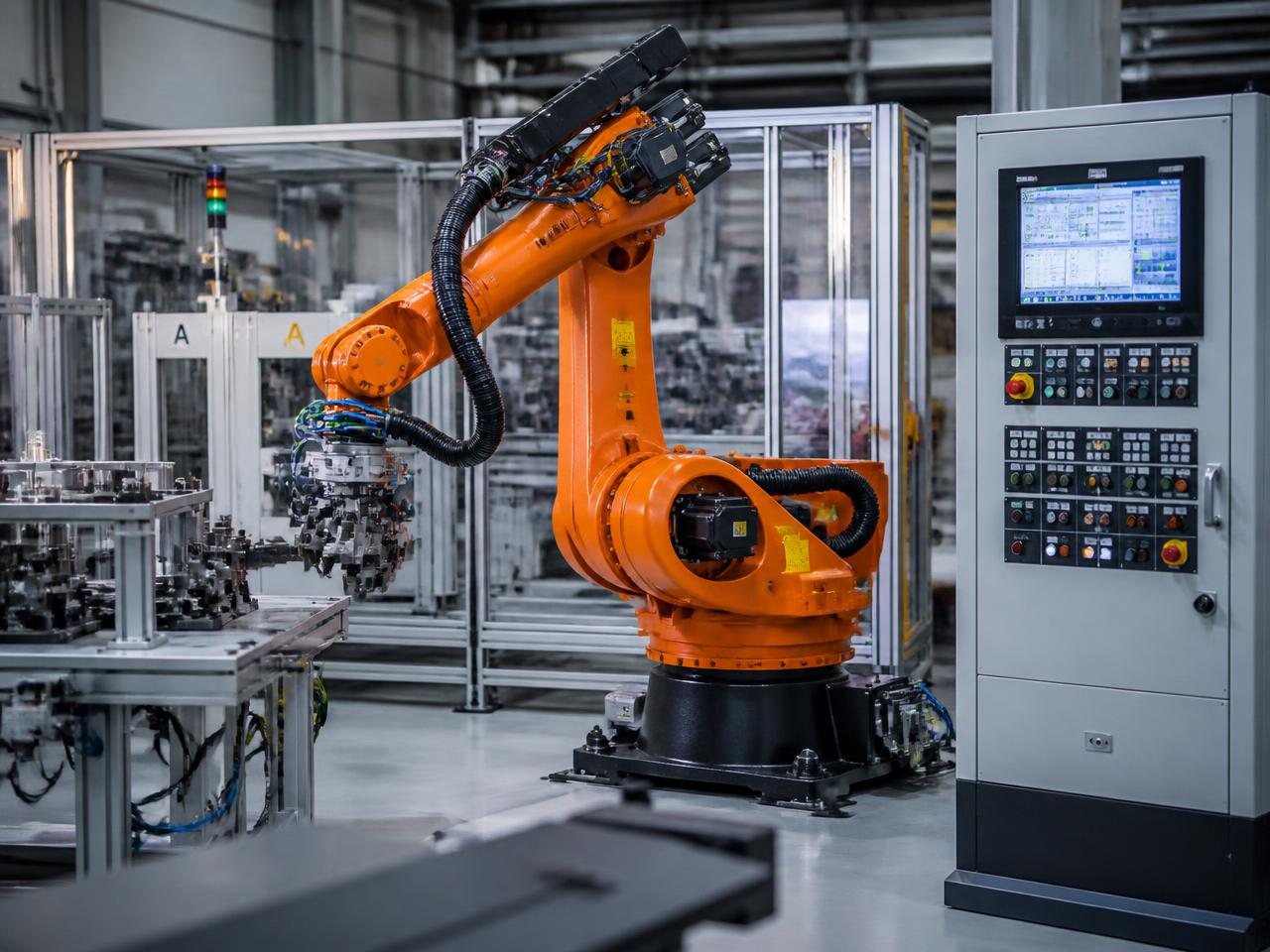
Automation Engineering
Complete automation engineering, robotics integration, commissioning and lifecycle support for industrial production systems across multiple industries.